The Vice-Versa Method
By Calzature Marche · 28 May 2026 · 9 Min Read · CareGet Free Cheat SheetVice-Versa Lacing Instructions
Lacing is a small detail that can completely change the look and feel of a dress shoe. The same pair of Oxfords can appear more formal or more relaxed depending on how the laces are threaded, while also affecting fit and comfort. There’s no single correct method—just several classic techniques, each suited to different styles and occasions. Below, you'll find the six most common options and when to use them. For a quick overview, grab the free cheat sheet with all six methods on one printable page→.
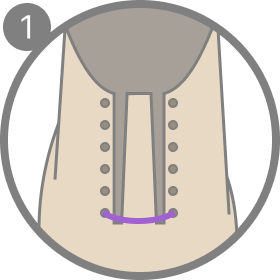
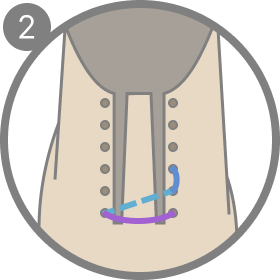
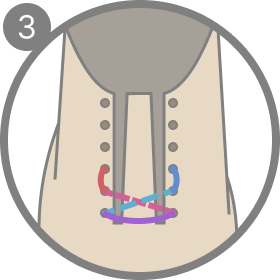
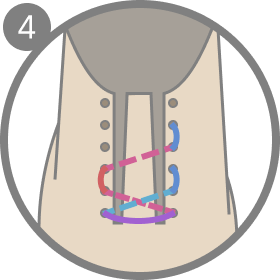
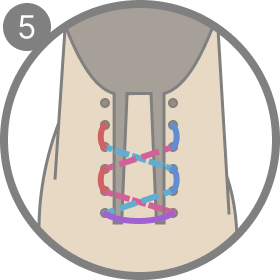
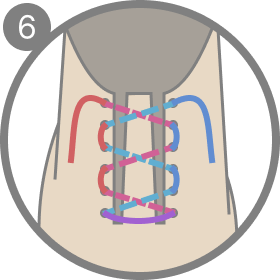
Enjoyed the vice-versa twist and want the full set? Download our free Shoe Lacing Techniques Cheat Sheet — a printable, one-page guide covering all 6 step-by-step ways to lace dress shoes, so you can keep every method right by your closet. Install your free cheat sheet here.
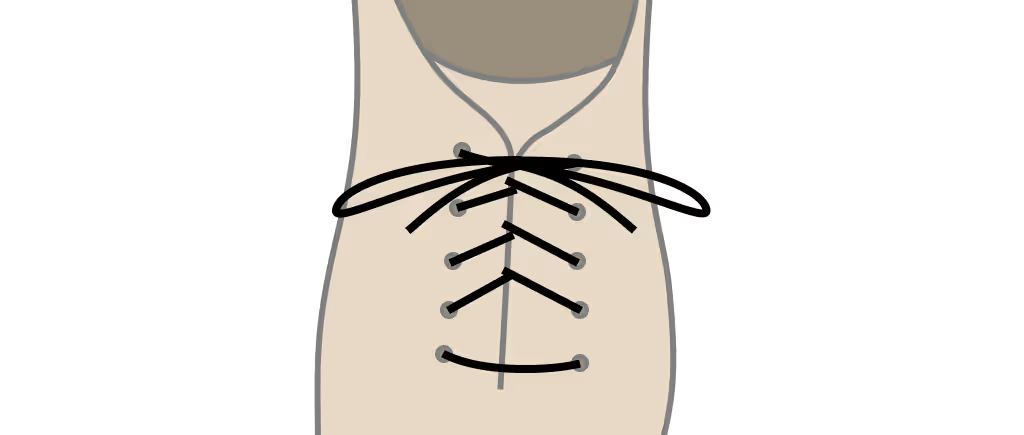
The Criss-Cross Method
A step-by-step guide to criss-cross lacing—the most versatile, everyday way to lace Oxfords and Derbies, with the laces crossing neatly between each pair of eyelets.
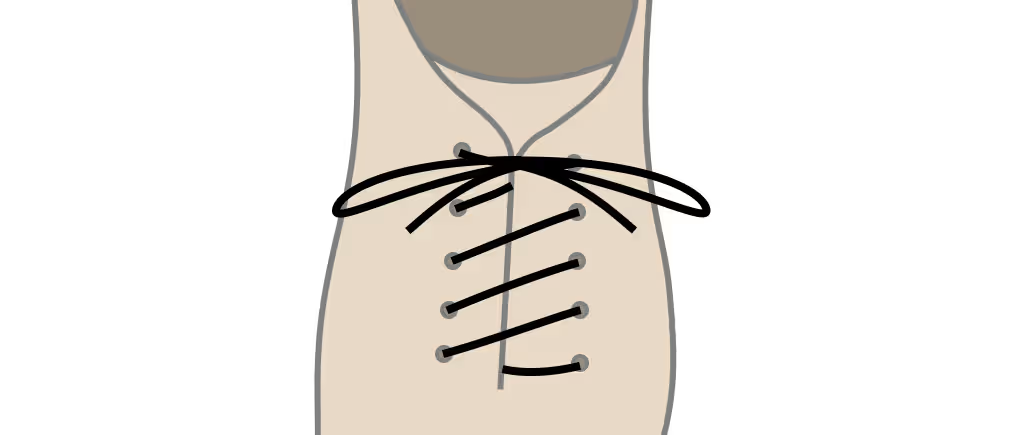
The Diagonal Method
A step-by-step guide to diagonal lacing—a distinctive, asymmetric pattern that sends the laces across the eyelets at a single clean angle for a modern look.
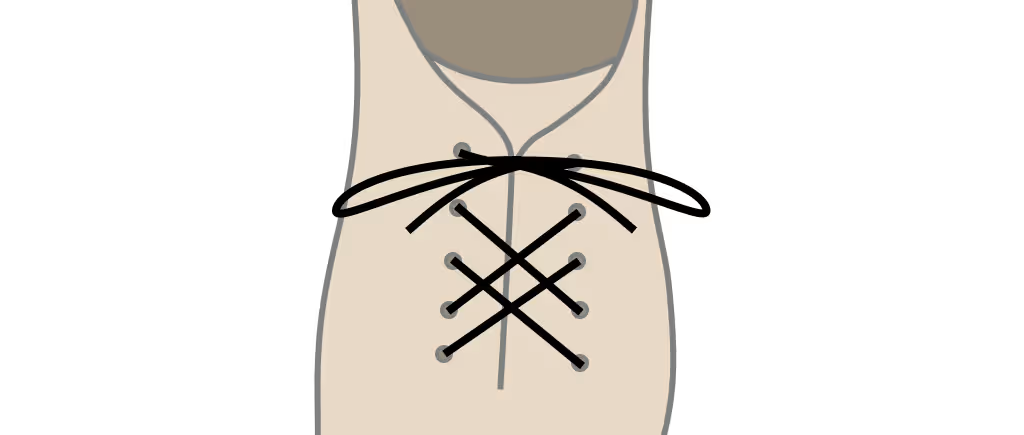
The Lattice Method
A step-by-step guide to lattice lacing—a decorative woven pattern that interlaces the laces into a basket-weave for a striking, statement finish.
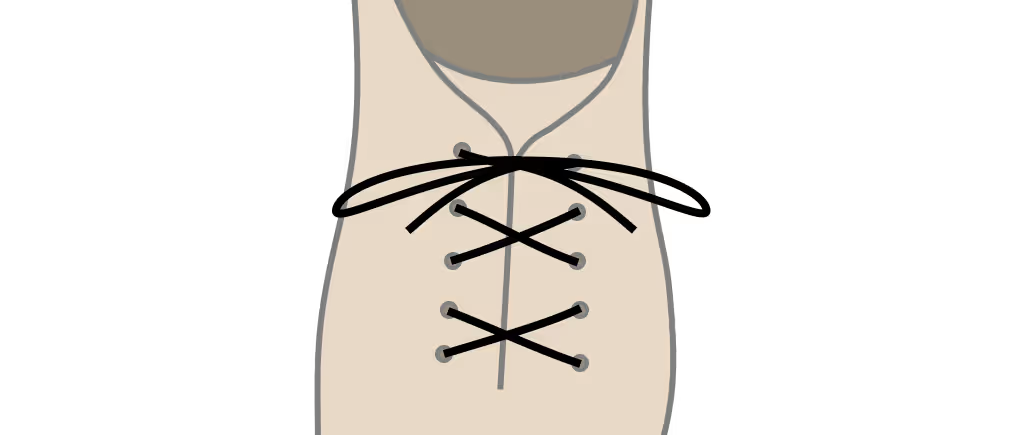
The Over-Under Method
A step-by-step guide to over-under lacing—an efficient, low-friction pattern that alternates over and under the eyelets for a snug fit that stays tied.
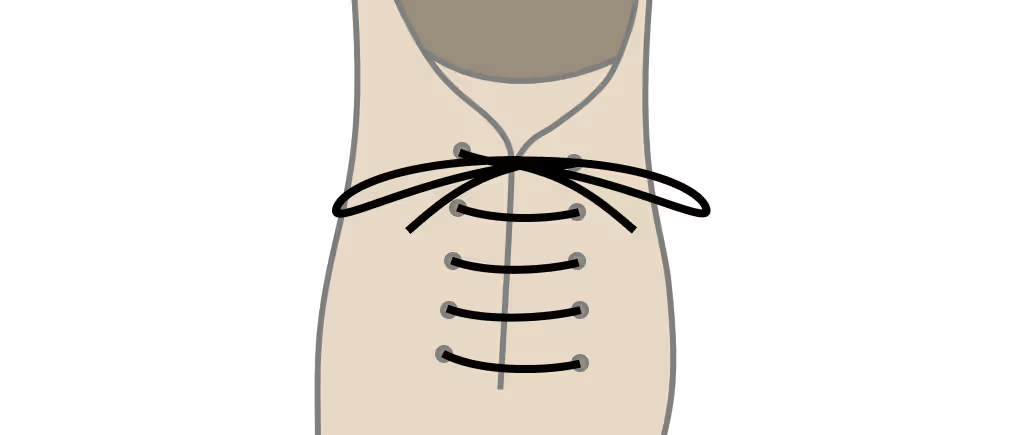
The Straight-Bar Method
A step-by-step guide to straight-bar (ladder) lacing—the clean, parallel look favoured for formal Oxfords, where each lace runs straight across the eyelets.
Why Vice-Versa Is the Refined Criss-Cross
Vice-versa is the quiet perfectionist's version of the everyday lacing. It keeps the familiar diagonal crossings of the criss-cross, but refines them: by sending one lace over and the other under at each crossing and swapping that order on the following row, it makes the whole pattern lie noticeably flatter and more even than a standard criss-cross. Both lace ends stay balanced as you work, so neither runs long, and the front of the shoe sits clean and deliberate rather than slightly raised where laces pile over one another. The effect is subtle — a refined, faintly dynamic texture rather than a dramatic departure — and that restraint is the point. At a glance the flatness can read almost as crisp as straight-bar, yet it keeps the easy, adjustable character of the criss-cross underneath. It's the natural step up for anyone who has always liked the standard lacing but wished it sat a little tidier.
When to Reach for It
Vice-versa shines exactly where understated detail matters: business dress, smart-casual, and any dress shoe you want looking quietly sharp without committing to the strictness of straight-bar. It's an easy, low-risk upgrade from the criss-cross with no real downside, which makes it a great first method to try once the basics feel comfortable. Because it keeps the diagonal crossings, it suits both closed-lacing Oxfords and open-lacing Derbies, flexing comfortably with each. Reach for it when you want your shoes to look considered rather than default — when the difference between a tidy lacing and a careless one is the kind of detail that gets noticed without being obvious. It's formal enough for most workplaces and refined enough for most occasions short of black tie, where straight-bar still holds the top spot.
How Eyelet Count Changes Vice-Versa
Like the criss-cross it refines, vice-versa works on any eyelet count with no parity rule to track — even or odd, it laces cleanly. What the count affects is how clearly the subtle texture shows. The method's character comes from alternating the over-and-under order on each successive row, so it needs a few rows for that rhythm to become visible: on a low two- or three-eyelet shoe the effect is barely noticeable, while on a five- or six-eyelet shoe the flat, regular zigzag reads as the deliberate, tidy finish the method is known for. More eyelets also mean more rows in which to keep the alternation consistent, so the taller the shoe, the more attention it takes to avoid slipping back into an ordinary criss-cross. As always, start centred so both ends finish even — and the more rows you have, the more an uneven start shows by the time you reach the top.
How It Differs from Standard Criss-Cross
The two look closely related, but three things set vice-versa apart. First, it lies flatter: alternating which lace goes over and under at each crossing, and reversing that on each row, stops one lace from always sitting on top, so the surface stays even instead of slightly ridged. Second, it stays balanced: because the pattern is symmetrical and reversible, both ends finish even and you can draw the lacing tight from either side — handy when one end always seems to end up longer with a plain criss-cross. Third, it reads as more deliberate: the small, regular zigzag texture looks intentional rather than thrown together, which is why it suits dress shoes. None of this changes how the shoe fits or feels in any meaningful way — vice-versa is about a cleaner finish, not about comfort. If you want the comfort benefit, over-under is the method to choose; if you want the cleanest formal face, straight-bar is. Vice-versa sits neatly between them: everyday, but tidier.
Getting the Finish Right
The pattern depends on consistency, so set the rhythm and hold it. Begin by threading the lace straight across the outside at the bottom, keeping it centred so both ends start even. Then work upward, alternating which end goes over and which goes under at each crossing, and reversing that order on the next row — over-then-under becomes under-then-over, all the way up. The flat, even look lives or dies on keeping that alternation regular, so go slowly enough not to lose your place. Keep both laces flat and untwisted; in a pattern this tidy, a twist shows. Maintain even tension as you climb so the crossings sit symmetrically left to right, and finish with a centred bow and matched ends. Done right, the front lies perfectly flat with a subtle, regular texture — the small mark of a job done with care.
Choosing the Right Lace
As with the other refined patterns, the lace finishes the look. Thin, flat, waxed laces lie cleanest across the crossings and read most formal, which is exactly what vice-versa is reaching for; they also keep the surface flat rather than bulging at each crossover. The waxed finish helps the bow hold through the day. Rounder or chunkier laces add bulk that works against the tidy, flat effect and lean casual, so they're better kept for relaxed footwear. Match the length to your eyelet count just as you would for a standard criss-cross — vice-versa uses roughly the same amount of lace, so there's no need to size up. A typical five-to-six-eyelet dress shoe takes around a 27–30 inch lace.
Common Mistakes to Avoid
The errors are subtle, because the pattern is subtle. Losing the alternation — forgetting to swap the over-and-under order from one row to the next — collapses vice-versa back into an ordinary criss-cross and forfeits the flat finish. Letting the laces twist breaks the clean surface that is the method's whole appeal. Starting off-centre leaves the ends uneven and undoes the balanced, reversible quality. And tightening unevenly leaves the crossings lopsided rather than symmetrical. Each is easy to avoid with a little attention: centre the lace, hold the alternation, keep the laces flat, and tension evenly as you go.
Frequently Asked Questions
How is vice-versa different from a normal criss-cross? It keeps the same diagonal crossings but alternates which lace goes over and under, reversing the order each row. That makes it lie flatter and look more deliberate, with both ends staying even.
Is it more comfortable than criss-cross? Not meaningfully — vice-versa is about a cleaner finish, not comfort. For a comfort-focused pattern, over-under is the one to choose.
Is it formal enough for work? Yes. Its tidy, understated look suits business and smart-casual dress well. For black tie and the most formal settings, straight-bar remains the stricter choice.
Does it work on Oxfords and Derbies? Both. Because it retains the diagonal crossings, it sits comfortably on closed-lacing Oxfords and open-lacing Derbies alike.
A tidier lacing deserves a finer shoe. Explore our handcrafted Oxfords, Derbies, and loafers at Calzature Marche.
— Calzature Marche · Marche, Italia
Filed under Care · 28 May 2026