The Lattice Method
By Calzature Marche · 28 May 2026 · 9 Min Read · CareGet Free Cheat SheetLattice Lacing Instructions
Lacing is a small detail that can completely change the look and feel of a dress shoe. The same pair of Oxfords can appear more formal or more relaxed depending on how the laces are threaded, while also affecting fit and comfort. There’s no single correct method—just several classic techniques, each suited to different styles and occasions. Below, you'll find the six most common options and when to use them. For a quick overview, grab the free cheat sheet with all six methods on one printable page→.
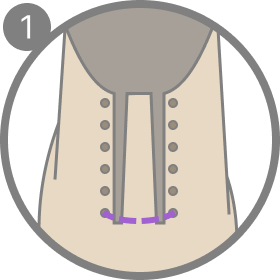
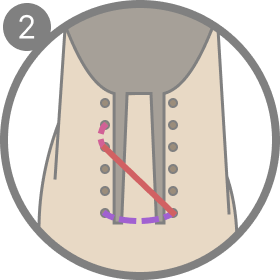
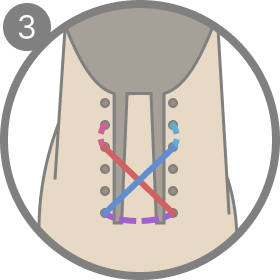
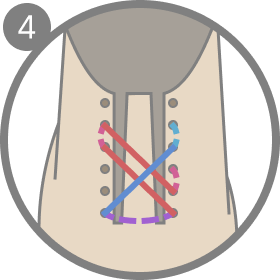
Mastered the lattice weave and hungry for more patterns? Download our free Shoe Lacing Techniques Cheat Sheet — a printable, one-page guide covering all 6 step-by-step ways to lace dress shoes, so every method is always within reach. Install your free cheat sheet here.
The Criss-Cross Method
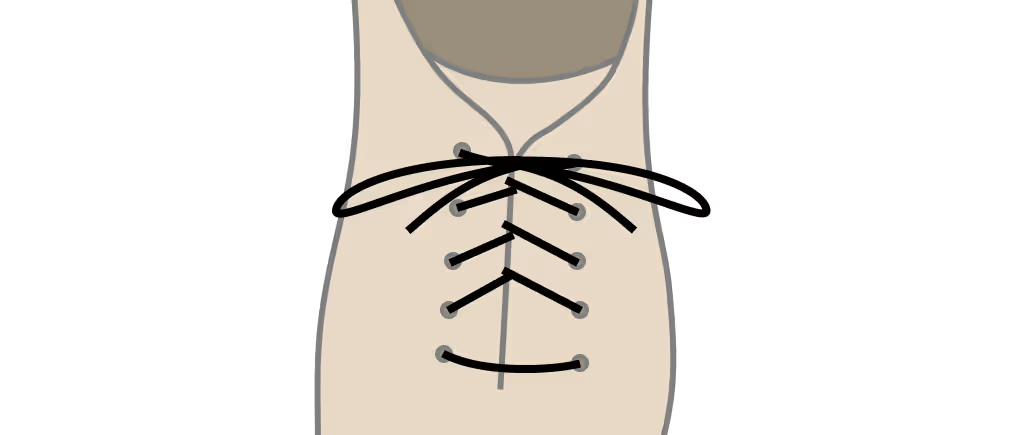
A step-by-step guide to criss-cross lacing—the most versatile, everyday way to lace Oxfords and Derbies, with the laces crossing neatly between each pair of eyelets.
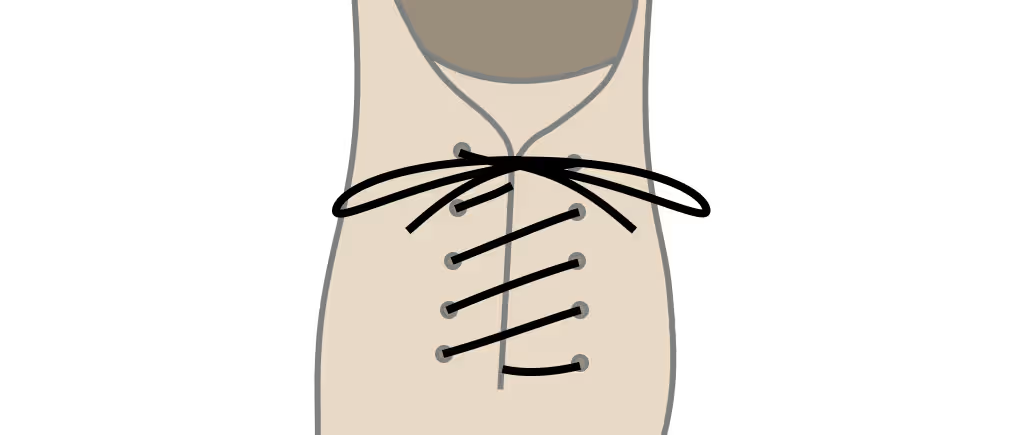
The Diagonal Method
A step-by-step guide to diagonal lacing—a distinctive, asymmetric pattern that sends the laces across the eyelets at a single clean angle for a modern look.
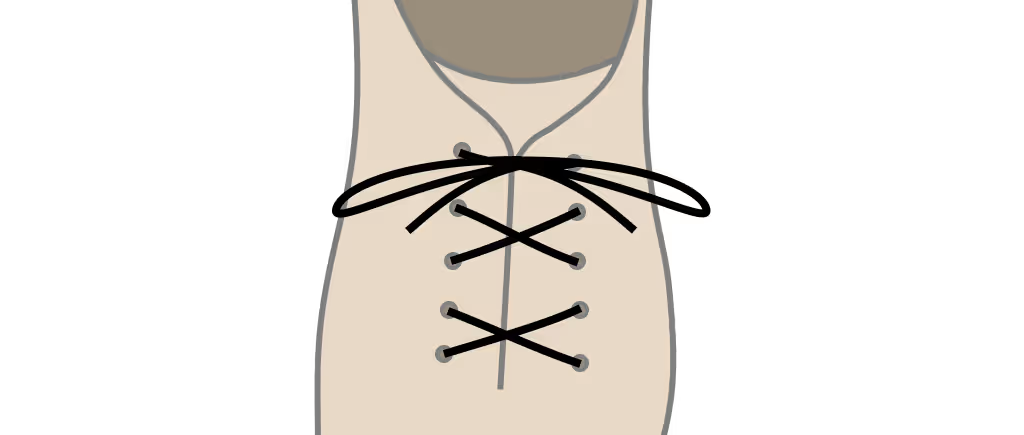
The Over-Under Method
A step-by-step guide to over-under lacing—an efficient, low-friction pattern that alternates over and under the eyelets for a snug fit that stays tied.
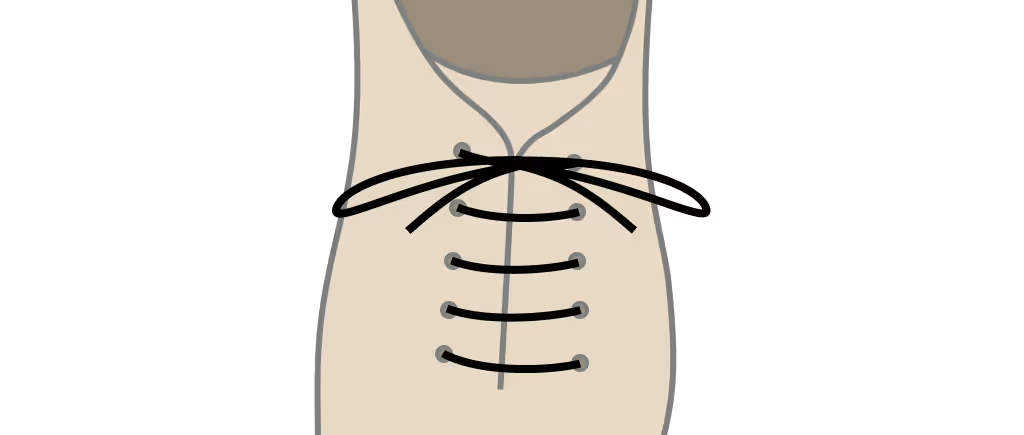
The Straight-Bar Method
A step-by-step guide to straight-bar (ladder) lacing—the clean, parallel look favoured for formal Oxfords, where each lace runs straight across the eyelets.
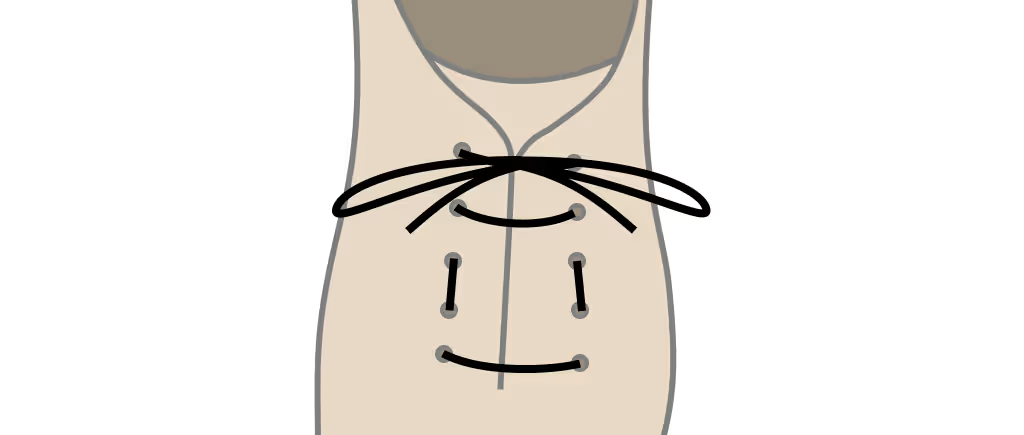
The Vice-Versa Method
A step-by-step guide to vice-versa lacing—a balanced, reversible variation on the criss-cross that keeps both ends even and the front lying perfectly flat.
Why Lattice Lacing Makes a Statement
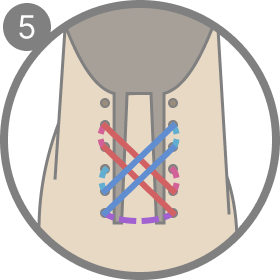
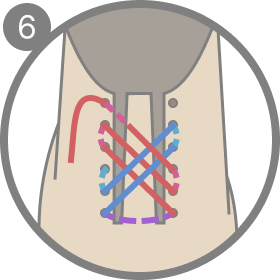
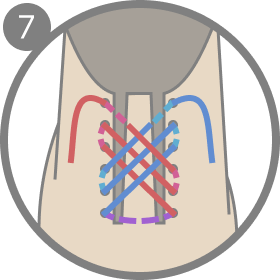
Lattice is the showpiece of the six. Where every other method aims, in one way or another, to stay quiet and let the shoe speak, lattice does the opposite: it weaves the laces over and under each other into a basket-weave panel that becomes the focal point of the whole shoe. It's unmistakably decorative, and it's meant to be noticed. The effect grows richer the more eyelets the shoe has, since each additional row adds another layer to the weave — a six- or seven-eyelet shoe carries the pattern far better than a low-cut three-eyelet one, where there simply isn't enough height for the lattice to build. This is the method you choose when you want the footwear to lead the outfit rather than support it, and when you have the patience to do it justice.
When to Reach for It — and When Not To
Lattice belongs to special occasions and expressive styling, not the daily commute. On a plain, clean upper it can look genuinely striking; on a busy, heavily brogued shoe it competes with the detailing and turns cluttered. It rewards a relaxed dress code where a bold lacing choice reads as confidence rather than fuss. Just as important is knowing when to leave it alone. Because the weave is interlocked, lattice is noticeably harder to tighten and loosen than a standard pattern, and it opens wide at the top like a V-neck once untied. That makes it a poor choice for shoes you slip on and off throughout the day, or for anyone who needs to adjust the fit quickly. Lace it when you have time, wear it when the occasion calls for it, and reach for criss-cross when convenience matters more than flourish.
How Eyelet Count Changes the Weave
Of all six methods, lattice is the most dependent on eyelet count, because the basket-weave needs height to build. The more eyelet pairs a shoe has, the denser and richer the weave becomes — a six- or seven-eyelet shoe produces a full, layered panel that shows the method at its best. Drop to four pairs and the weave still works but looks lighter and more open. At three pairs or fewer there simply isn't enough vertical room for the interlacing to develop, and the pattern reads as thin and unconvincing rather than decorative. There's no parity rule — odd and even counts both weave — but there is a practical minimum: if your shoe is low-cut, lattice is the wrong choice, and a different statement method or a clean criss-cross will serve it better. Remember too that more eyelets mean more weaving, and so more lace; the higher the count, the longer the lace you'll need to finish the pattern and still tie off.
Getting the Weave Right
Lattice rewards patience and punishes rushing, so slow down. Work methodically from the bottom up, mirroring the exact same path on both sides so the two halves stay symmetrical — the woven look depends entirely on that consistency, and a single misstep is obvious. As you build the pattern, alternate cleanly over and under at each intersection; this over-and-under crossing is what creates the basket-weave texture, and skipping it flattens the whole effect. Keep every lace segment flat and untwisted, since a twist in a woven pattern is far more visible than in a simple one. It helps to lay the weave loosely first, check that both sides match, and only then draw the tension up gradually and evenly. Expect it to take several attempts before it looks right — that's normal, and the finished result earns the effort.
The Lace Length Question
Length matters more for lattice than for any other method on the list, because all that weaving consumes a surprising amount of lace. A lace cut for a standard criss-cross will almost always fall short here, leaving you with too little to finish the weave or to tie a proper bow at the top. As a rule, size up — choose a noticeably longer lace than you'd use for the same shoe in a conventional pattern, and remember that the more eyelets the shoe has, the more lace the denser weave will swallow. Excess length is easy to manage at the top; running out halfway up the weave means starting over. If you're buying laces specifically to wear this pattern, err long, and keep a standard-length pair on hand for everyday methods.
Choosing the Right Lace
For a pattern this visible, the lace is part of the design. Flat, waxed laces hold the weave crisply and keep each strand lying neatly over and under its neighbours, which is exactly what the basket-weave needs to read clearly. Thin laces let the individual crossings stay distinct; very thick or round laces crowd the weave and muddy it, so they're best avoided here. A waxed finish also helps the interlocked strands hold their position rather than sliding loose as you tension them. Colour is a genuine choice with lattice: a matching lace keeps the focus on the texture, while a restrained contrast can make the weave pop — though on a dress shoe, subtlety still serves you better than novelty.
Common Mistakes to Avoid
Most lattice failures come down to symmetry, tension, and twist. Letting the two sides drift out of alignment destroys the woven look instantly, since the eye reads the mismatch at once. Pulling the tension up too early or too unevenly distorts the weave before it's complete — build it loose, then tighten gradually. Twisted segments throw shadows that break the clean over-under rhythm. Starting with a lace that's too short forces a compromise at the top or an outright restart. And attempting the pattern on a low-eyelet or heavily decorated shoe sets it up to look thin or cluttered rather than rich. Avoid these and the method largely takes care of itself.
Frequently Asked Questions
Is lattice lacing appropriate for formal occasions? It's a decorative, expressive pattern rather than a formal one. For black tie or strict business dress, straight-bar or criss-cross is the right call; save lattice for relaxed, statement-making settings.
How many eyelets do I need for it to look good? The more the better. Six or seven eyelet pairs let the weave build into a full, dense panel; on a low three-eyelet shoe there isn't enough height for the pattern to register.
Why is it so hard to tighten? The interlocked weave resists sliding, which is what holds the pattern in place but also makes it slow to adjust. That's why it suits occasions over everyday wear.
Do I need longer laces? Yes. Lattice uses noticeably more lace than a standard pattern, so size up — a lace cut for criss-cross will usually come up short before you reach the top.
A weave this striking deserves a shoe worth showing off. Explore our handcrafted Oxfords, Derbies, and loafers at Calzature Marche.
— Calzature Marche · Marche, Italia
Filed under Care · 28 May 2026