The Criss-Cross Method
By Calzature Marche · 28 May 2026 · 9 Min Read · CareGet Free Cheat SheetCriss-Cross Lacing Instructions
Lacing is a small detail that can completely change the look and feel of a dress shoe. The same pair of Oxfords can appear more formal or more relaxed depending on how the laces are threaded, while also affecting fit and comfort. There’s no single correct method—just several classic techniques, each suited to different styles and occasions. Below, you'll find the six most common options and when to use them. For a quick overview, grab the free cheat sheet with all six methods on one printable page→.
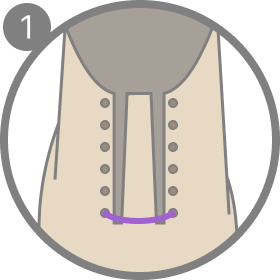
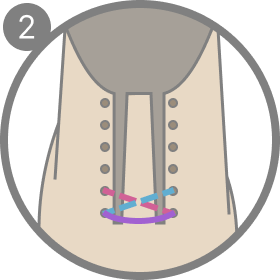
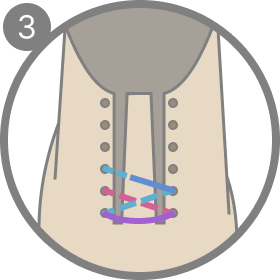
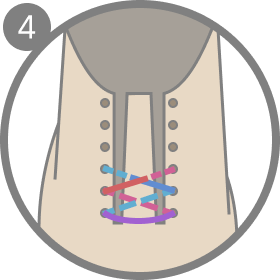
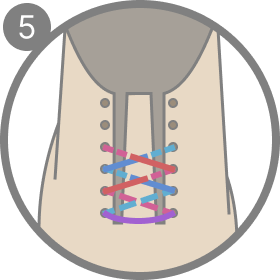
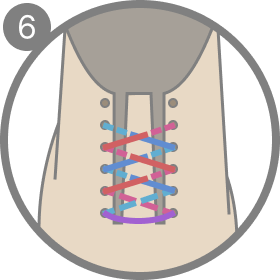
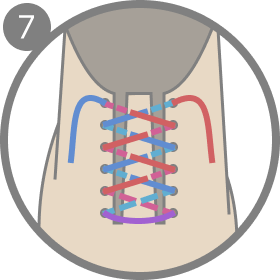
Want to master more than just the criss-cross method? Download our free Shoe Lacing Techniques Cheat Sheet — a printable, one-page guide covering all 6 step-by-step ways to lace dress shoes, so you can keep every method right by your closet. Install your free cheat sheet here.
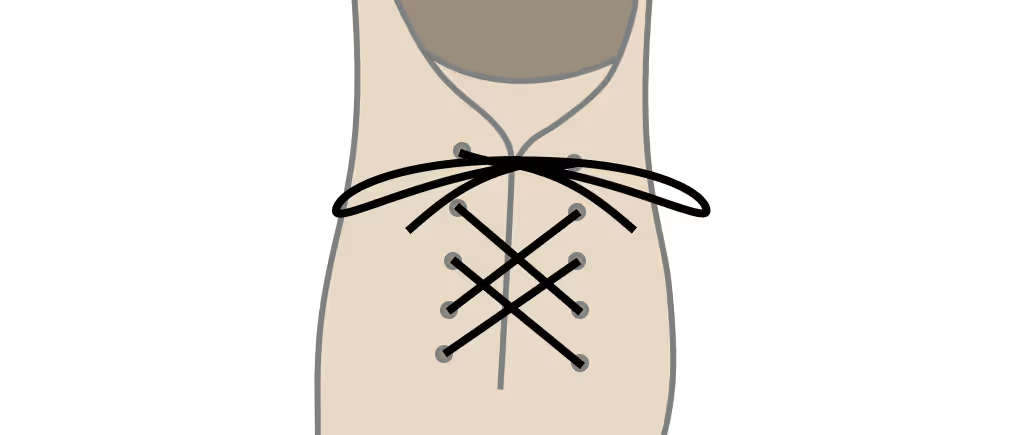
The Diagonal Method
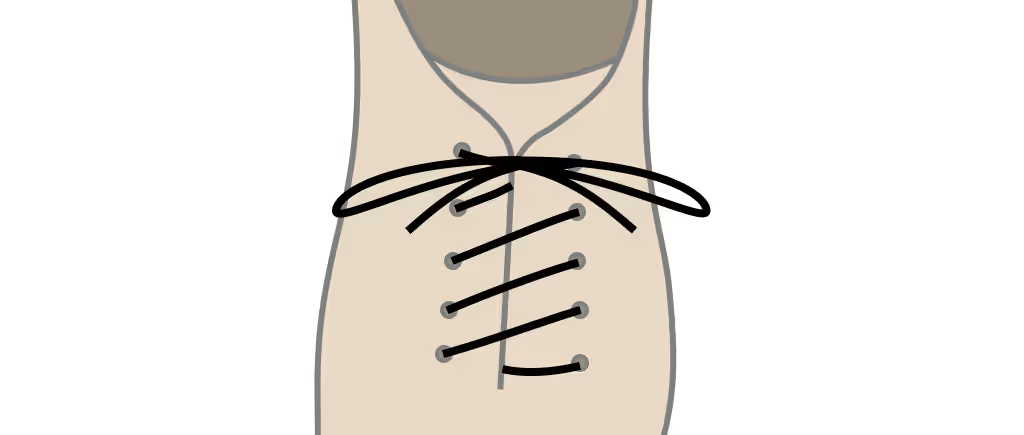
A step-by-step guide to diagonal lacing—a distinctive, asymmetric pattern that sends the laces across the eyelets at a single clean angle for a modern look.
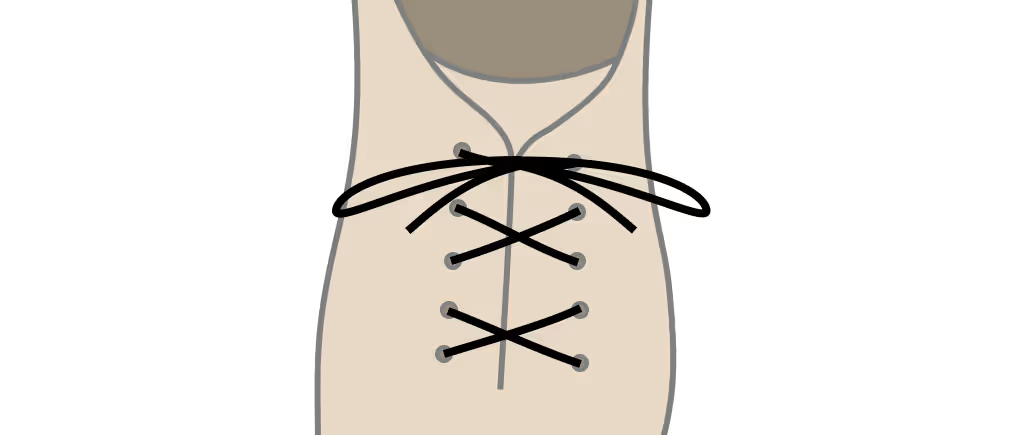
The Lattice Method
A step-by-step guide to lattice lacing—a decorative woven pattern that interlaces the laces into a basket-weave for a striking, statement finish.
The Over-Under Method
A step-by-step guide to over-under lacing—an efficient, low-friction pattern that alternates over and under the eyelets for a snug fit that stays tied.
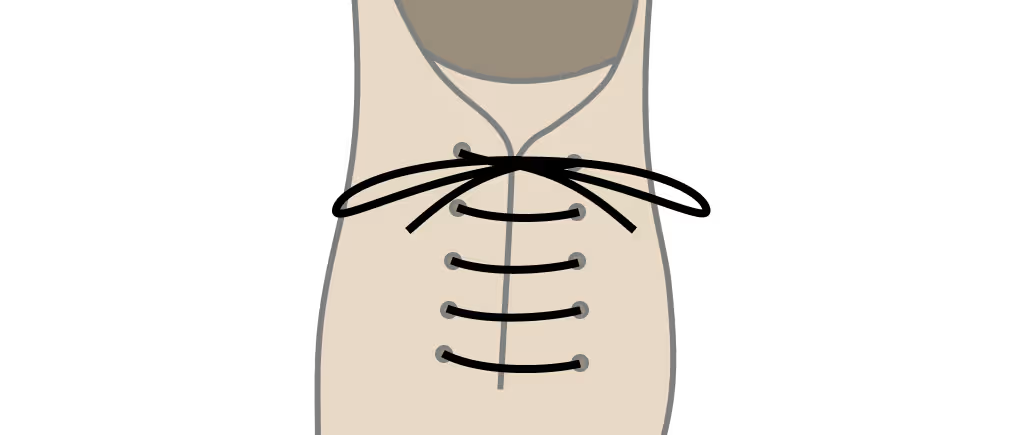
The Straight-Bar Method
A step-by-step guide to straight-bar (ladder) lacing—the clean, parallel look favoured for formal Oxfords, where each lace runs straight across the eyelets.
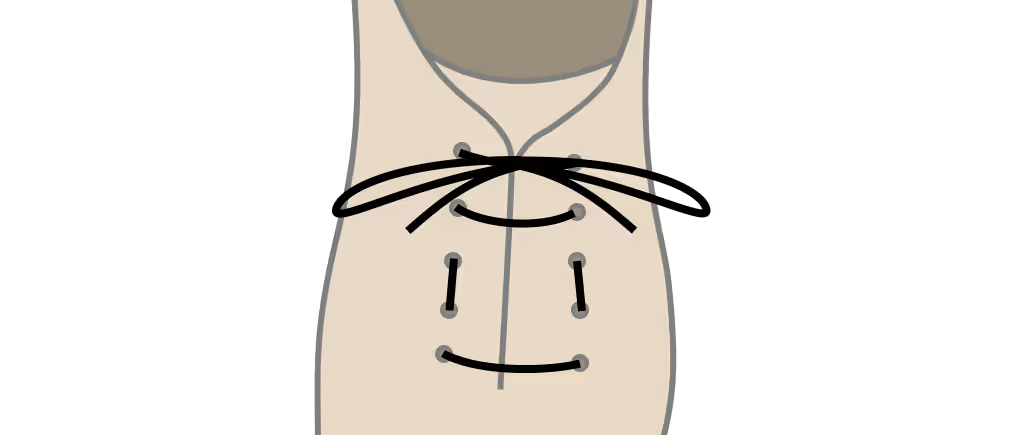
The Vice-Versa Method
A step-by-step guide to vice-versa lacing—a balanced, reversible variation on the criss-cross that keeps both ends even and the front lying perfectly flat.
Why Criss-Cross Earns Its Place
For most people, criss-cross isn't a choice so much as a default — it's how shoes arrive from the box and how nearly everyone first learns to lace. But its popularity isn't only habit. The pattern earns its ubiquity: it's fast to thread, easy to adjust on the fly, and forgiving across almost every shoe and foot shape. Each crossing pulls directly on the eyelets, so tightening one section tightens the fit predictably, with no hidden segments to fuss over. On a dress shoe that reliability matters more than novelty. The criss-cross stays out of the way, letting the leather, the last, and the polish do the talking — which is exactly what you want from an Oxford or a Derby on a working day. It is, in the truest sense, the method you reach for when you want the shoe to look like itself.
When to Reach for It
Criss-cross suits virtually any occasion, which is precisely the point. On a closed-lacing Oxford it reads clean and businesslike — appropriate for the office, interviews, weddings, and most formal settings short of black tie, where straight-bar still has the edge. On an open-lacing Derby it's the natural everyday pattern, flexing comfortably with the open flaps and accommodating a wider foot without complaint. It carries the same way across casual footwear, from boots to sneakers, which is part of why it feels so instantly familiar to nearly everyone who sees it. If you only ever master one lacing method, make it this one; it will never look out of place, and it adapts to whatever the day asks of it.
How Eyelet Count Changes the Look
Criss-cross is the most flexible of the six when it comes to eyelet count — it works cleanly on any number, with no parity rule to worry about. What changes is density and proportion. On a low-cut shoe with two or three eyelet pairs, the crossings are sparse and the lacing reads minimal, almost incidental. On a taller five-, six-, or seven-eyelet shoe, the stacked X's fill the vamp and give the fuller, more classic look most people picture. More eyelets also mean more points at which to fine-tune the fit, so a high-eyelet shoe lets you adjust tension zone by zone — looser over a high instep, firmer at the top to hold the heel. Whatever the count, centre the lace at the bottom so both ends finish even; the more rows you have, the more a lopsided start compounds by the time you reach the top.
Getting the Finish Right
The difference between a sloppy criss-cross and a sharp one comes down to a few small habits. Start by centering the lace through the bottom eyelets so both ends finish at the same length — nothing undoes a clean job faster than a lopsided bow. Keep tension even as you climb, snugging each crossing before moving to the next rather than yanking everything tight at the end. Aim for the crossings to sit flat and symmetrical, mirroring each other from left to right; if one side bows outward, the lace has twisted somewhere, and a quick flatten will set it right. Finish with the bow centered and the two loops sized evenly. None of this takes longer than the careless version once it becomes routine, and the result looks deliberately, quietly correct rather than thrown together.
Dialing in the Fit
One of the criss-cross's quiet strengths is how easily it adapts to the foot. If you have a high instep and the shoe feels tight across the top, loosen the middle crossings slightly and tighten only the top and bottom — the pattern lets you distribute pressure rather than clamping down evenly across the whole vamp. For a narrow foot or a slipping heel, the opposite helps: pull the upper crossings firmer to lock the heel in place while leaving the forefoot relaxed. Because every crossing bears on the eyelets directly, these adjustments respond immediately, with no need to re-lace from scratch. It's worth experimenting here before deciding a shoe simply doesn't fit; more often than not the lacing, not the last, is the real culprit behind an uncomfortable shoe.
Choosing the Right Lace
The pattern is only half the picture — the lace finishes it. For dress Oxfords and Derbies, thin, flat, waxed laces read most formal and lie cleanest across the crossings; they also grip a knot better, so the bow stays tied through a long day. Rounder or thicker laces lean casual and suit boots and sneakers more than a polished dress shoe, softening the effect even when the technique is perfect. Match the lace length to your eyelet count, and size up if you're caught between lengths — excess is easy to tuck or double-knot, while a lace that's too short will fight you at the top eyelets. A typical five-to-six-eyelet dress shoe takes a 27–30 inch lace for the criss-cross pattern.
Common Mistakes to Avoid
A handful of errors crop up again and again, and each is easy to head off once you know to watch for it. Threading the first row from the inside instead of straight across the outside leaves an untidy, asymmetric start. Letting the laces twist between eyelets breaks the flat, mirrored look that makes the pattern read well from a distance. Tightening unevenly leaves one side puckered while the other gapes open. And finishing with mismatched lace ends produces the off-center bow that quietly betrays the whole effort. The reassuring part is that all of these are correctable mid-lace — you rarely need to start over, just pause, flatten, and even things out as you go.
Frequently Asked Questions
Is criss-cross formal enough for a suit? Yes. On a clean Oxford it's perfectly appropriate for business dress and most formal occasions. Only black tie really calls for the stricter, flatter straight-bar look.
Can I use it on both Oxfords and Derbies? Absolutely — it's the one method equally at home on both. Closed-lacing Oxfords look crisp and businesslike with it, while open-lacing Derbies flex comfortably around a wider foot.
Why does my criss-cross look uneven? Almost always a twisted lace or uneven tension. Flatten each crossing as you go and snug each row before starting the next, and the pattern will sit symmetrically.
How tight should it be? Snug enough to hold the heel without pinching the instep. If the top feels tight, ease the middle crossings; the pattern lets you fine-tune pressure across different parts of the foot.
Ready to put a clean criss-cross to good use? Explore our handcrafted Oxfords, Derbies, and loafers at Calzature Marche.
— Calzature Marche · Marche, Italia
Filed under Care · 28 May 2026